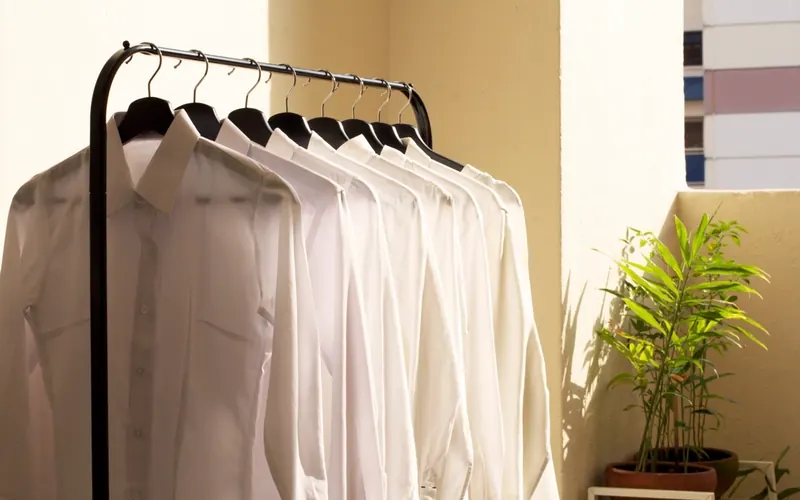
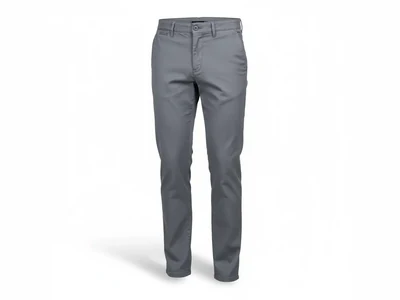
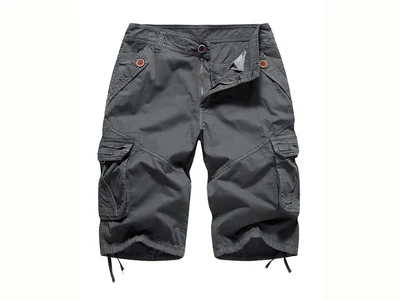
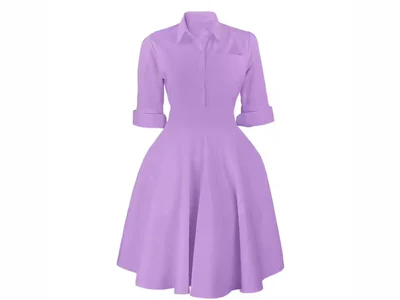
Woven
Shirts, trousers and casualwear in cotton, linen and blends.
Apparel buying house · Dhaka, Bangladesh
Woven, knitwear, denim, outerwear, leather and footwear, workwear and PPE, and lingerie from Bangladesh. Every style tracked from tech pack to bill of lading, every check timestamped and yours to see.
Tech pack, comments, samples, inspection photos and dates sit on one thread per style — not in a chain of forwarded email. You see the same view we see.
Measurements, consumption and the delivery calendar are checked against the pack the day it lands, so a contradiction costs an email instead of a re-cut.
The calendar is watched against actual output. When a date starts to slip, a merchandiser tells you that day, with the options — before it becomes a claim.
Seven categories, sourced in Bangladesh. Each style is matched to a factory whose machines and audit status fit it.
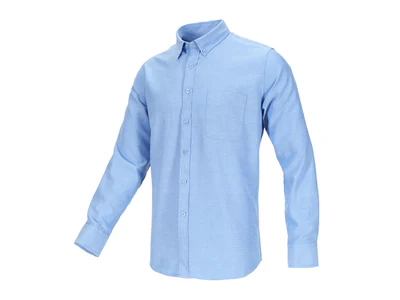
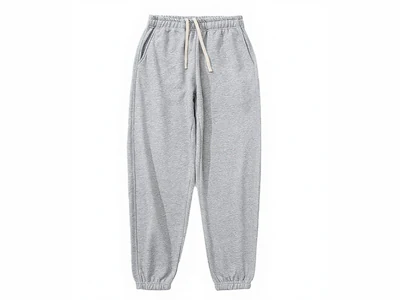
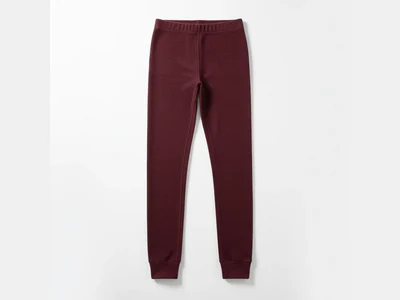
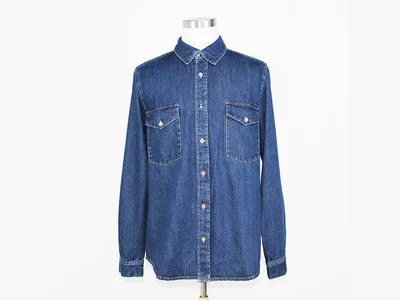
Shirts, trousers and casualwear in cotton, linen and blends.
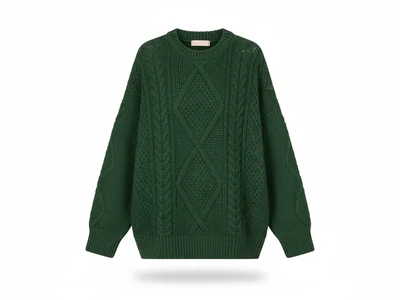
From cut-and-sew jersey to flat-knit sweaters.
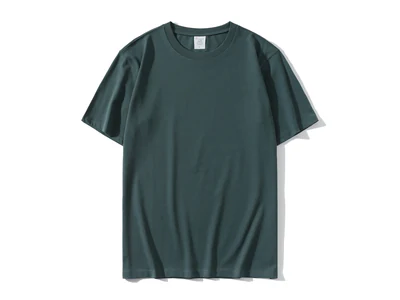
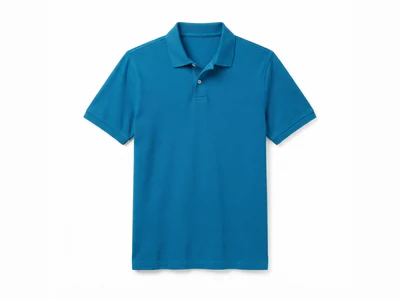
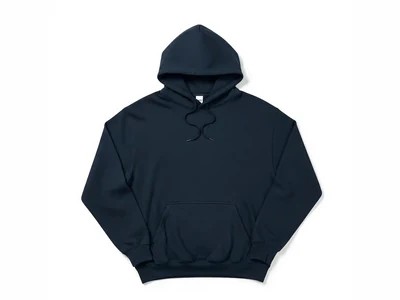
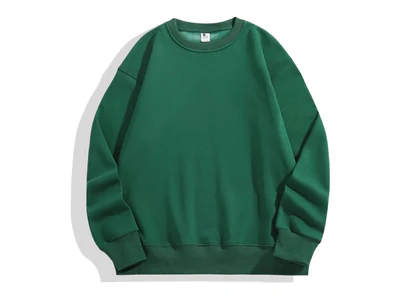
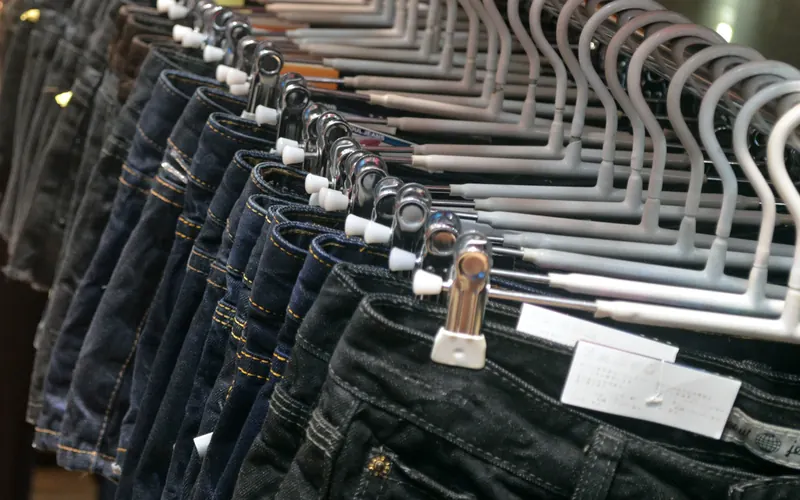
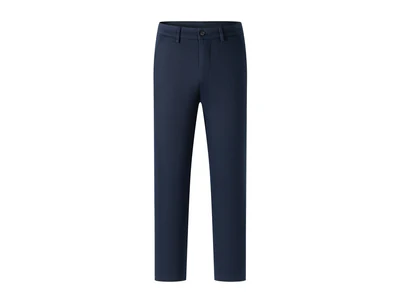
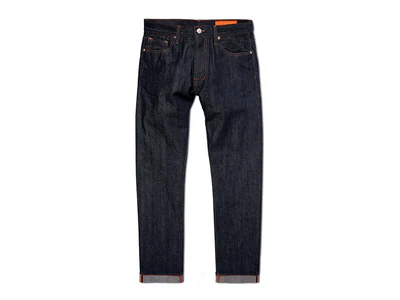
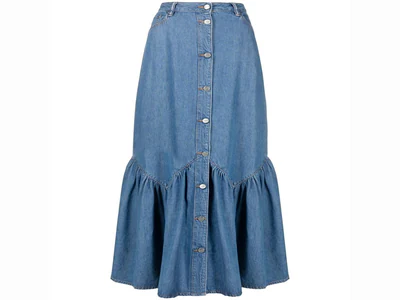
Rigid and stretch, with washes and finishing.

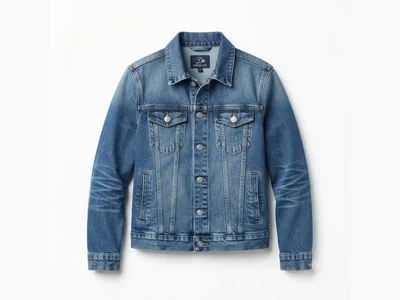
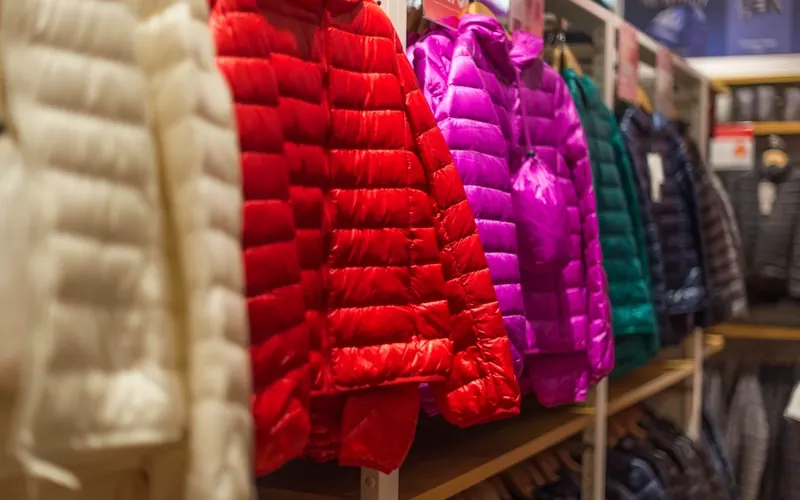
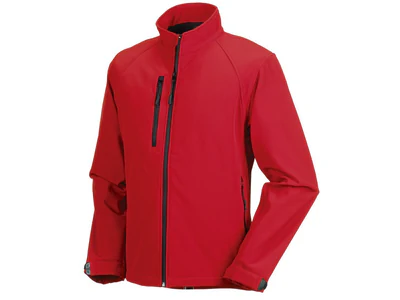
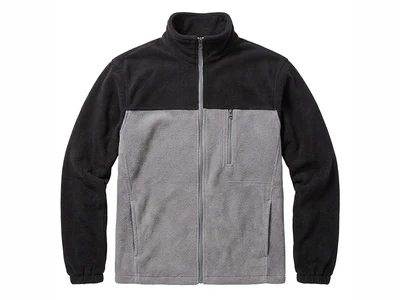
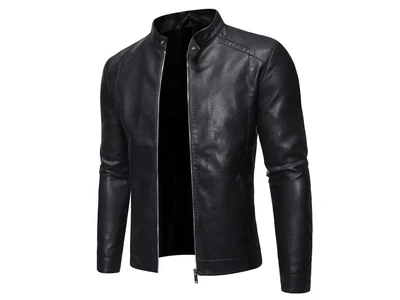
Jackets and coats for cold and changeable weather.
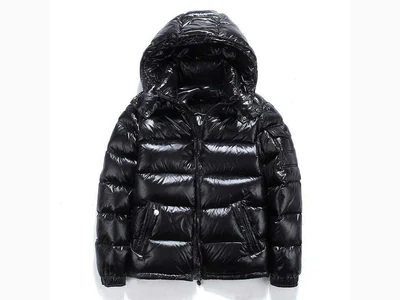
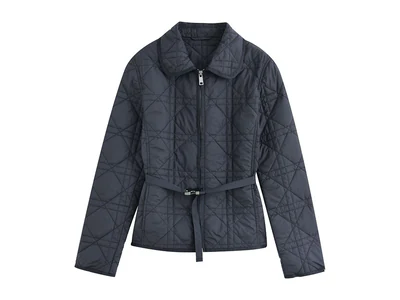
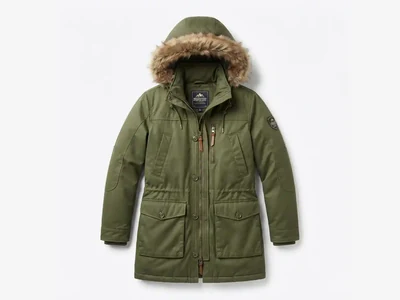
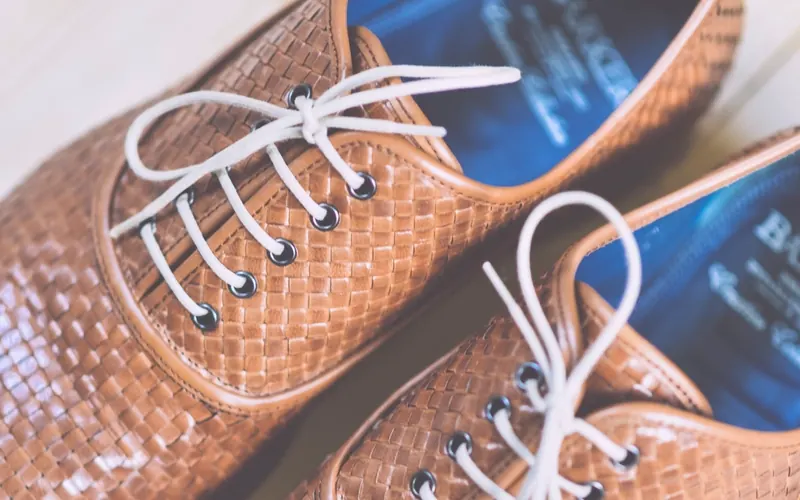
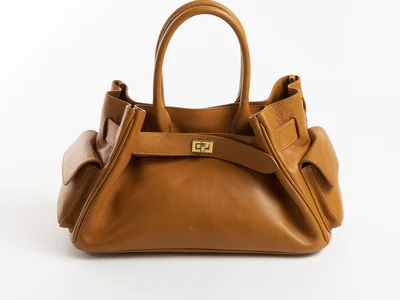
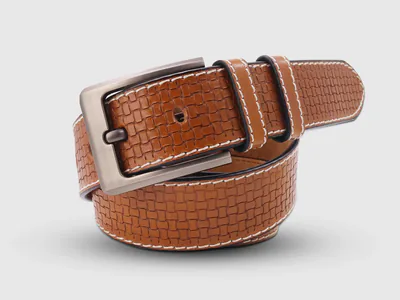
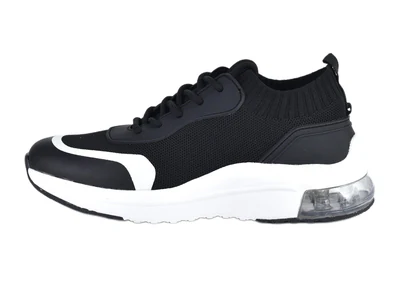
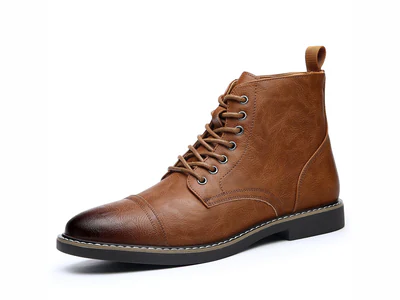
Leather goods and footwear, each checked for its own capability. Leather is sourced from LWG-certified tanneries.

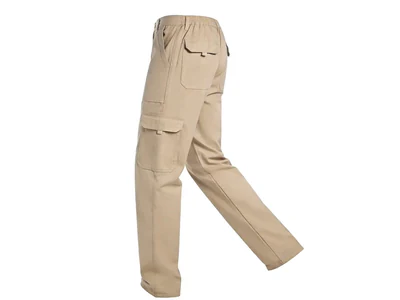
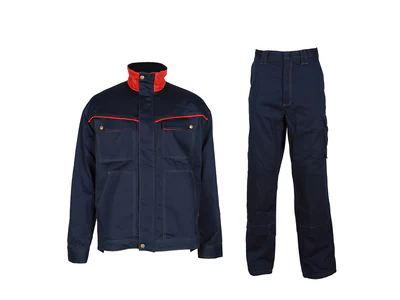
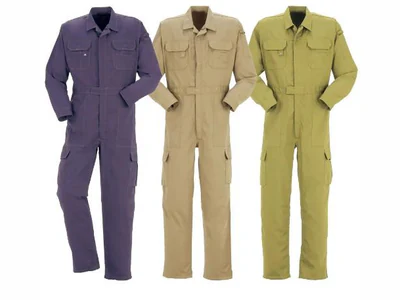
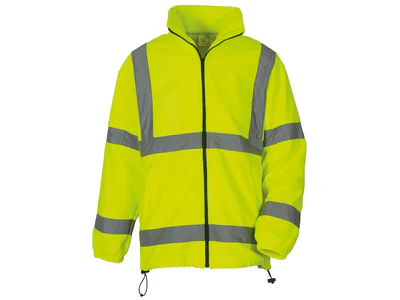
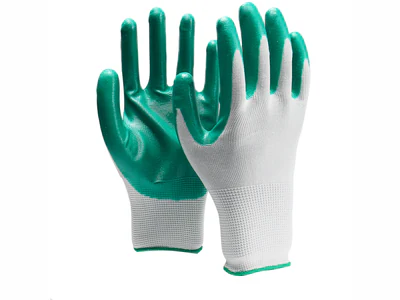
Uniforms and protective wear, made to the buyer's own specification and test standard.
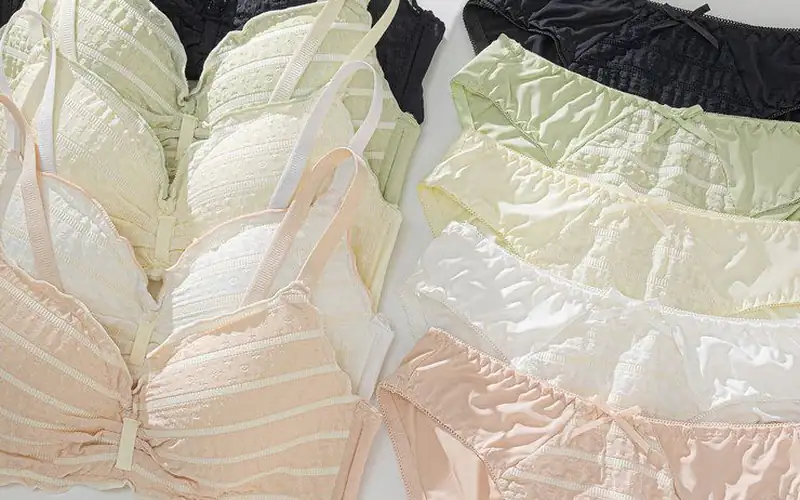
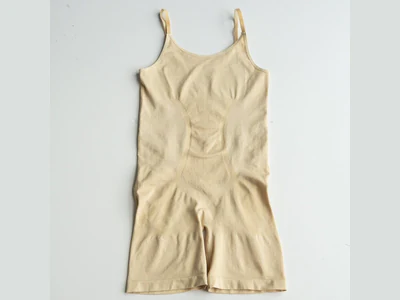
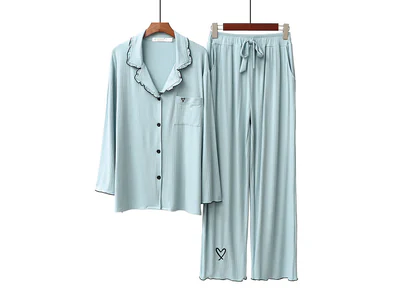
Intimate apparel and nightwear, matched to factories set up for it.
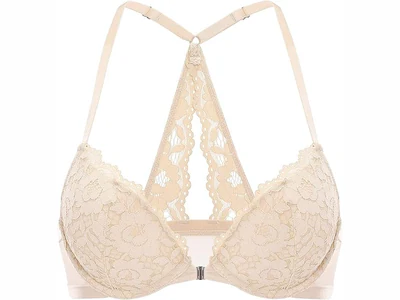
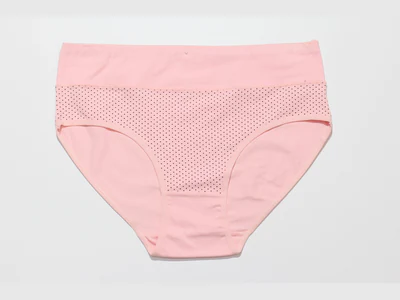
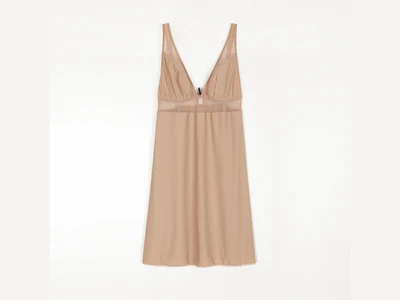
MOQ, fabric and wash capability are confirmed per style at costing.
We place orders only in factories with a current audit, and you see the report and its date before you approve the factory — not after. The standards below are audits the factory holds and we require; none of them is ours.











Read the day it lands. Every ambiguity, missing spec and internal contradiction — measurement chart against construction callout, trim against fabric — comes back as one numbered query list.
You receive:
A numbered query list and a feasibility note, within one business day.
Matched on machine type, proven capability in the category, certification status and current floor load — not on who happens to be free.
You receive:
A costing breakdown and the proposed factory, with its current audit status and report date.
Proto, fit, size set, PP. Every comment is logged against the style, so revision three knows what revision one said.
You receive:
A photographed sample review and the full comment history per style.
Trims, fabric, lab dips, PP meeting. Approvals are recorded against the style before cutting starts.
You receive:
A PP approval pack with lab dip and trim approvals dated.
Daily output is tracked against plan; inline checks are photographed and timestamped on the floor.
You receive:
A daily production report — plus an exception the day the calendar slips, not at the next report.
An internal assessment of the goods against the approved sample, before the buyer's final inspection and while there is still time to rework. Its purpose is that final goods do not get rejected — whatever the final AQL would fail is found here first.
You receive:
A pre-final assessment report with photo evidence, the defects found and the rework agreed.
AQL 2.5 major / 4.0 minor, critical 0 — General Inspection Level II, normal severity (ISO 2859-1) — or your protocol. Checked against the approved sample and photographed.
You receive:
An inspection report with photo evidence and the measurement record.
Lab test reports for the order, run to the buyer's test requirements, are collected with the quality documents into one pack before booking.
You receive:
The lab test reports and the quality document pack, on the style's record before shipment.
Booking, and the document set your bank and customs need.
You receive:
CI, PL, BL, COO and the full pack; ETD confirmed.
Researches what to source, from where and how to source it, and recommends the best solution for your product.
Factories are matched on machine type, proven capability in the category, audit status and current floor load.
Sample comments, approvals, trims and the delivery calendar are kept on each style's record, not in someone's inbox.
Goods, fabric, trims and other materials are arranged so that each one arrives when the line needs it.
Inline checks photographed and timestamped on the floor; a pre-final assessment ahead of the final; final inspection to AQL 2.5 major / 4.0 minor, critical 0 (General Inspection Level II, normal severity, ISO 2859-1) or to your protocol.
Booking, and the document set your bank and customs need — commercial invoice, packing list, bill of lading, certificate of origin — with ETD confirmed.
Sourcing still runs on memory, spreadsheets and phone calls, and every surprise a buyer gets is a fact somebody already knew.
Seamvector is a buying house in Dhaka, founded in 2026, built around one idea: put that fact on the record the day it exists. Every style has one thread; every check carries a time; the buyer sees what we see.
Software reads the tech pack, watches the calendar and keeps the record. People make the calls — which factory, which fix, which delay to flag — and a named person answers your email.
It depends on the category, fabric and factory, so we confirm it per style at costing rather than quote a number that may not fit. Send the tech pack or a reference garment and the MOQ comes back with the costing.
Both. FOB is the default: we source fabric and trims, and the factory delivers a finished, packed order. CMT — where you supply the fabric and trims — is available for styles where you already hold the material.
Our fee is shown as its own line on the costing sheet before you approve anything — never folded into the unit price. Payment terms follow the trade: letter of credit or telegraphic transfer, agreed at costing.
Yes. A nominated factory goes through the same checks — audit status, capability for the style, floor load — and you get the same record. If it does not pass, we tell you why and propose alternatives.
We do, against the approved sample. Inline checks are photographed and timestamped on the floor. Before the final we run an internal pre-final assessment, so that final goods do not get rejected. The final inspection is to AQL 2.5 major / 4.0 minor, critical 0 — General Inspection Level II, normal severity (ISO 2859-1) — or to your protocol, and its report carries photo evidence and the measurement record. A third-party inspector of your choice is welcome on the same record.
Requirements differ by destination — labelling, restricted substances, documents. Tell us the market at enquiry and it is built into the tech pack review, not discovered at booking.
As a guide, sampling takes two to four weeks per round and bulk production two to three months from the approved pre-production sample, fabric permitting. Your dated calendar comes with the costing and replaces this guide.
Send the tech pack, or a reference garment and target price, through the form below or by email. You get a numbered query list and a feasibility note within one business day; costing follows once the queries are closed.
Enquiries answered within one business day.